
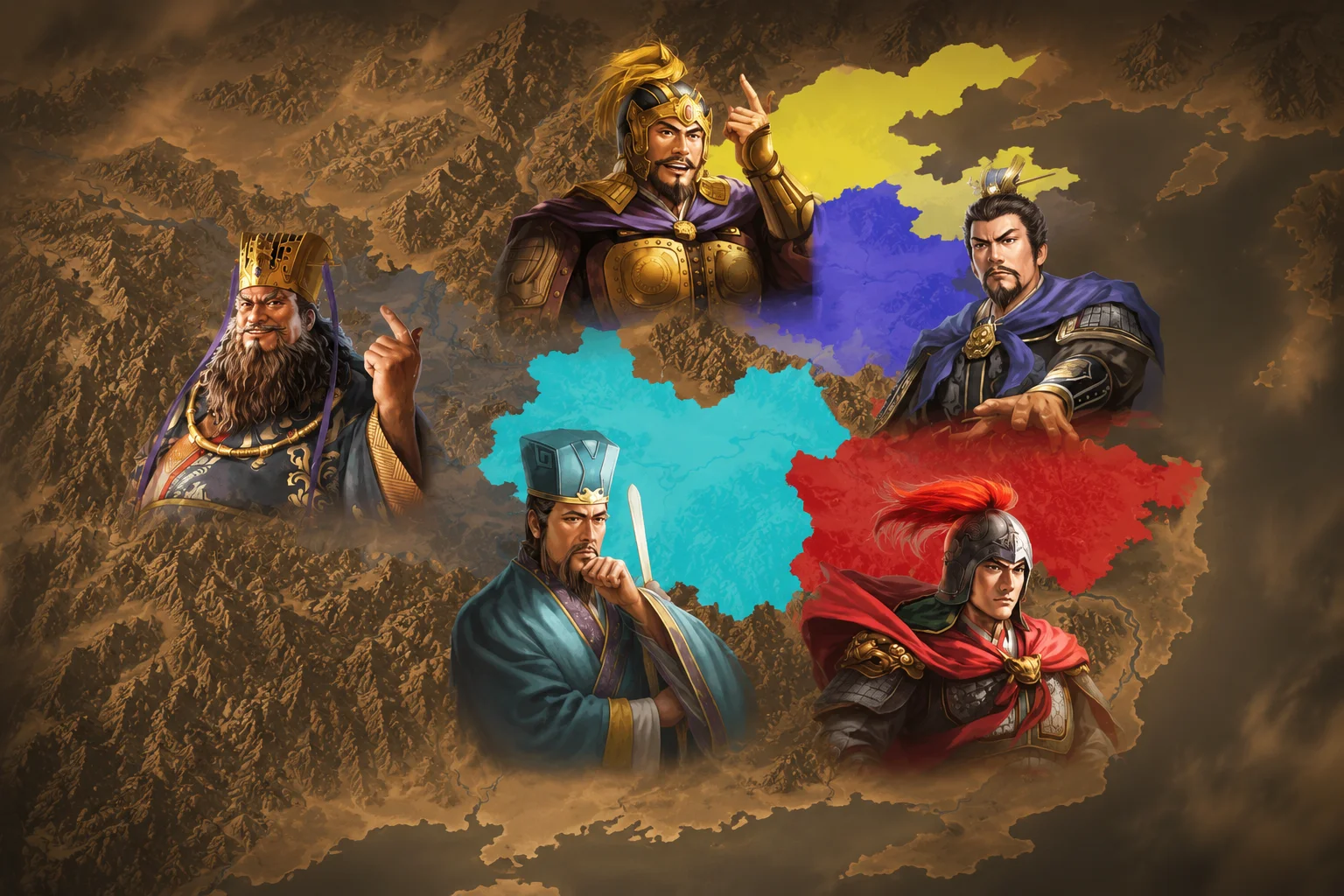
The Eighteen Warlords Coalition Against Dong Zhuo
Contents
The Historical Alliance That Ignited the Three Kingdoms Era
In Luo Guanzhong’s (罗贯中, La Quán Trung) epic novel Romance of the Three Kingdoms (三国演义, Sān Guó Yǎn Yì, Tam Quốc Diễn Nghĩa), Chapter 5 marks the first grand military convergence of the entire story: The Coalition of Eighteen Warlords (十八路诸侯, Shí Bā Lù Zhū Hóu, Mười Tám Lộ Chư Hầu).
Triggered by a forged imperial decree issued by Cao Cao (曹操, Tào Tháo) in 190 AD (the 1st year of Chuping), warlords from every corner of China mobilized their regional armies to march on the capital of Luoyang (洛阳, Lạc Dương). Their goal was to overthrow the tyrannical warlord Dong Zhuo (董卓, Đổng Trác), who had deposed Emperor Shao (刘辩, Lưu Biện), installed the puppet Emperor Xian (刘协, Lưu Hiệp), and usurped the Eastern Han court.
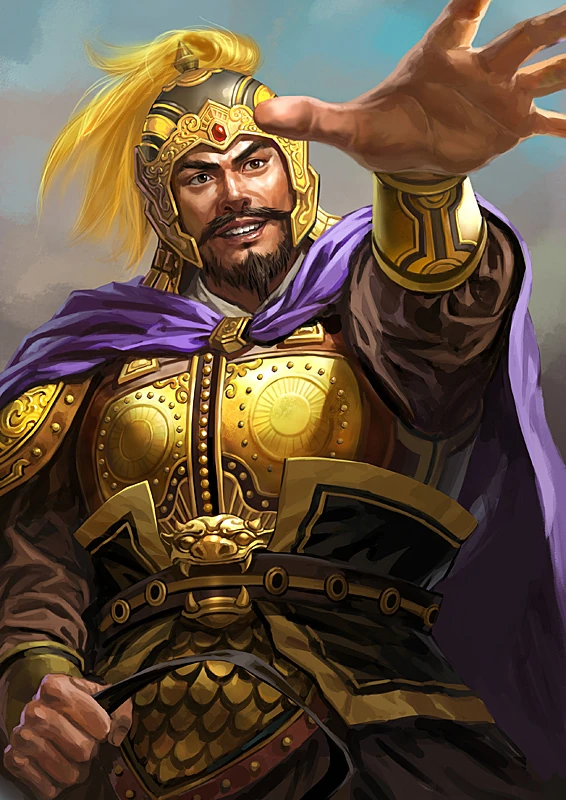


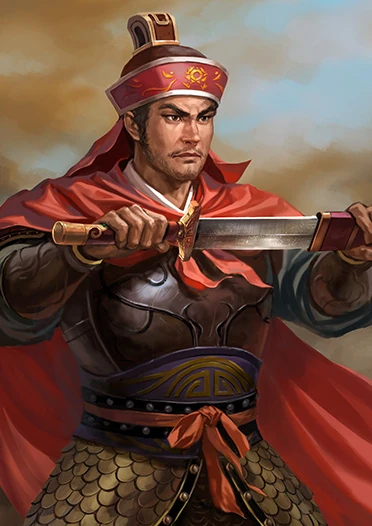
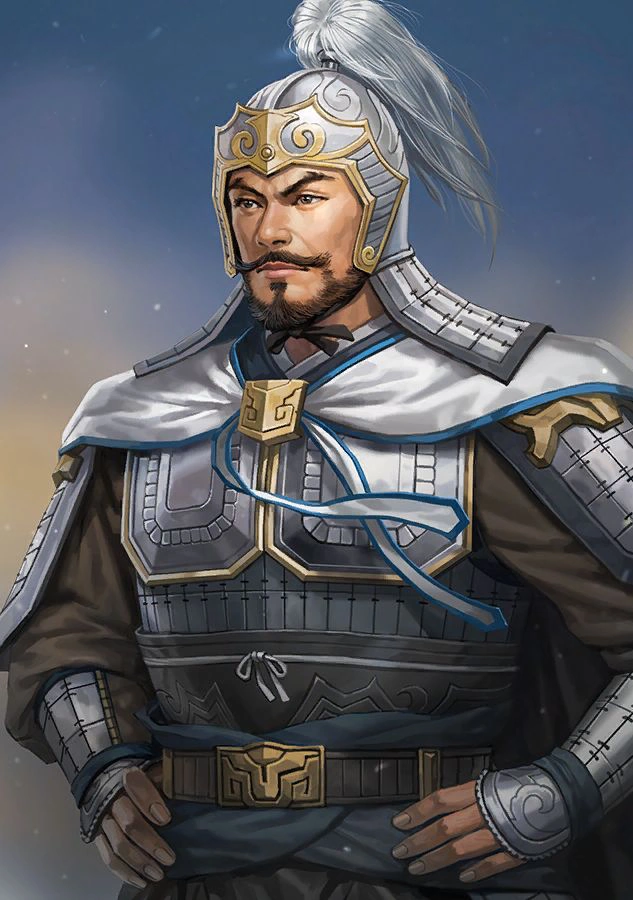

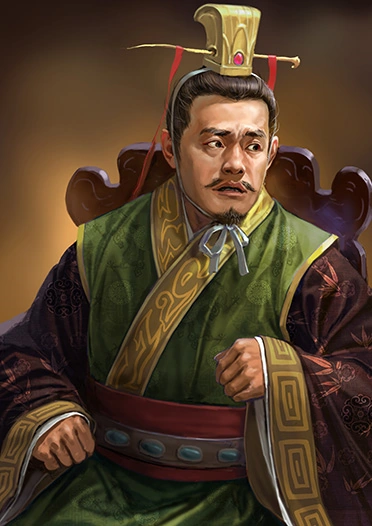


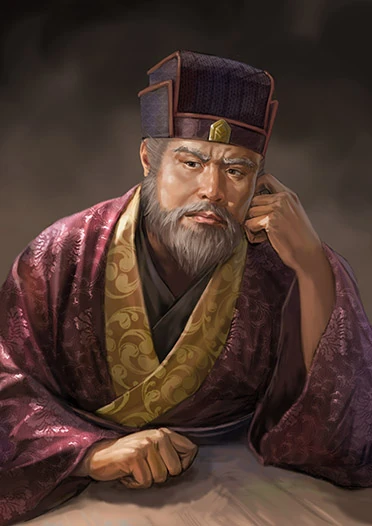
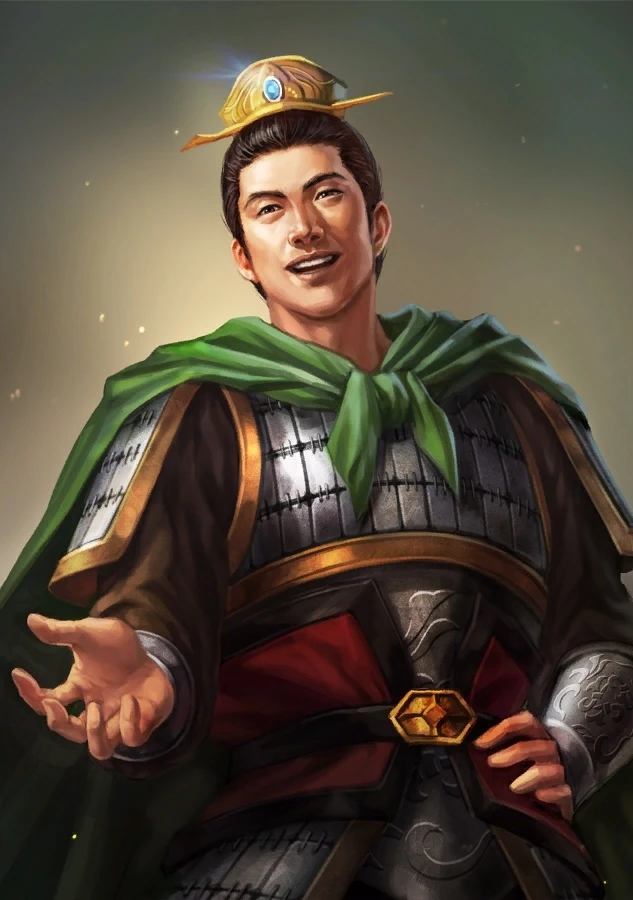

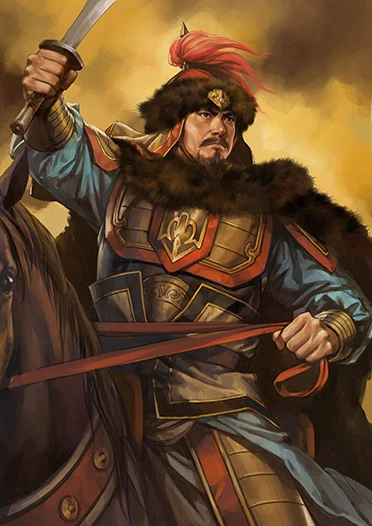
Though assembled under the noble banner of “saving the Han Dynasty,” the alliance was fractured by secret ambitions, jealousy, and greed, ultimately dissolving into open civil war and dividing China among regional warlords.
1. The Structure and Leadership of the Alliance
Gathered at Suanzao (酸枣, Toan Tảo), the coalition comprised eighteen regional governors, inspectors, and generals. The warlords elected Yuan Shao (袁绍, Viên Thiệu) as Supreme Commander (Mèng Zhǔ, Minh Chủ) due to his illustrious family lineage (“Four generations, five high ministers”).
2. Complete Roster of the Eighteen Warlords
1. Yuan Shao (袁绍, Viên Thiệu)
- Courtesy Name / Origin: Style name Benchu (本初). Native of Ru’nan, Henan. Born into the prominent Yuan clan (“Four generations, five high ministers”).
- Lifespan: c. 154 – June 28, 202 AD
- Alliance Role: Supreme Commander / Governor of Bohai.
- Biography & Ambition:Possessed the highest political prestige among the warlords due to his illustrious lineage. After escaping Dong Zhuo’s control in Luoyang, he raised an army in Bohai and was elected Supreme Commander. However, he was politically indecisive and overly arrogant. When Cao Cao proposed pursuing Dong Zhuo after the tyrant burned Luoyang, Yuan Shao hesitated, preferring to celebrate in his command tent rather than launch a decisive strike.
- Ultimate Fate:After the coalition dissolved, Yuan Shao tricked Han Fu to seize Jizhou and annexed four northern provinces (Ji, You, Bing, and Qing), becoming the dominant warlord of the Central Plains. However, in 200 AD, he suffered a catastrophic defeat against Cao Cao at the Battle of Guandu. Grievously disgraced and ill, he died coughing up blood in 202 AD.
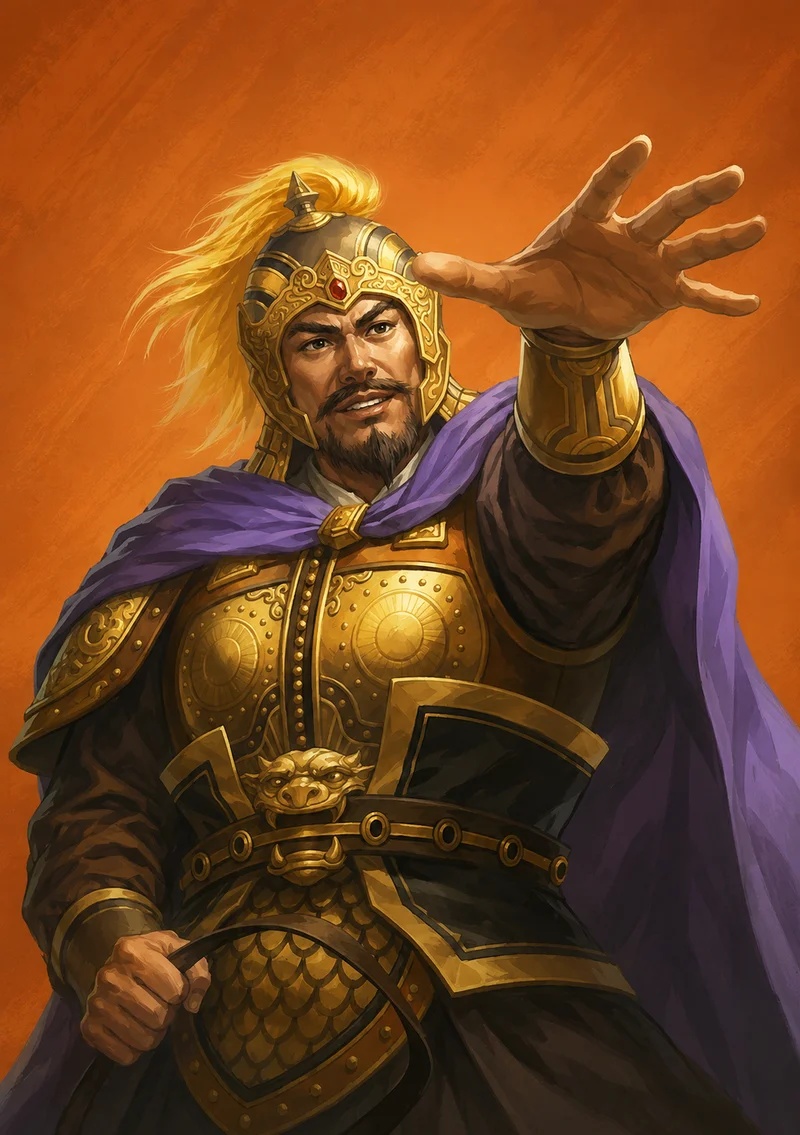
Yuan Shao – 袁绍 – Viên Thiệu
2. Yuan Shu (袁术, Viên Thuật)
- Courtesy Name / Origin: Style name Gonglu (公路). Younger half-brother of Yuan Shao. Native of Ru’nan, Henan.
- Lifespan: ? – 199 AD
- Alliance Role: Quartermaster / General of the Rear.
- Biography & Ambition:Controlled the grain supply and logistical lifeline of the eighteen armies. Narrow-minded, petty, and deeply treacherous. When Vanguard Commander Sun Jian (孙坚) scored consecutive victories against Dong Zhuo’s forces at Sishui Pass, Yuan Shu feared Sun Jian would claim all the credit for liberating Luoyang and maliciously withheld grain supplies. This caused Sun Jian’s camp to starve and crumble, leading to the death of Sun Jian’s decoy general Zu Mao. Yuan Shu also openly insulted Guan Yu’s low rank when Guan Yu offered to fight Hua Xiong.
- Ultimate Fate:When Sun Jian discovered the Imperial Jade Seal (传国玉玺) in Luoyang, Yuan Shu extorted Sun Jian’s family to claim it. In 197 AD, Yuan Shu arrogantly declared himself Emperor (Emperor of Zhong) in Shouxun. Surrounded and crushed by rival warlords, Yuan Shu fled in total ruin and died vomiting blood on the roadside in 199 AD.
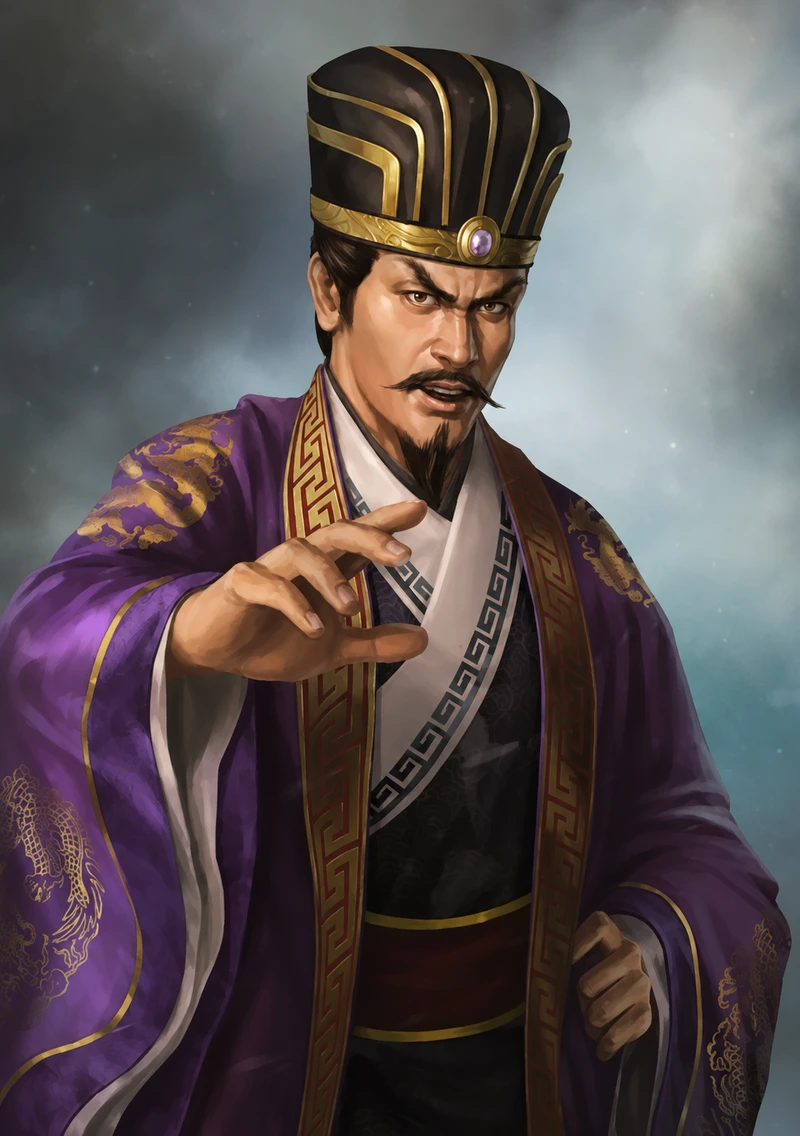
Yuan Shu – 袁术 – Viên Thuật
3. Cao Cao (曹操, Tào Tháo)
- Courtesy Name / Origin: Style name Mengde (孟德). Native of Qiao County, Pei State.
- Lifespan: 155 – March 15, 220 AD
- Alliance Role: Coalition Organizer / Cavalry Commander.
- Biography & Ambition:Initiated the alliance by issuing a forged imperial decree calling upon regional lords after his failed assassination attempt on Dong Zhuo. Cao Cao was the sole warlord possessing true strategic vision: he defended Guan Yu and poured the warm cup of wine before Guan Yu slew Hua Xiong, and he was the only commander willing to personally pursue Dong Zhuo when the tyrant burned Luoyang (though his forces were ambushed by Xu Rong at Yingyang).
- Ultimate Fate:Recognizing the self-serving incompetence of the alliance, Cao Cao withdrew to build his own military base. He secured Emperor Xian in Xudu, “holding the Emperor to command the nobles,” defeated Yuan Shao at Guandu, unified Northern China, and laid the foundation for the Cao Wei Dynasty before dying of illness in 220 AD.
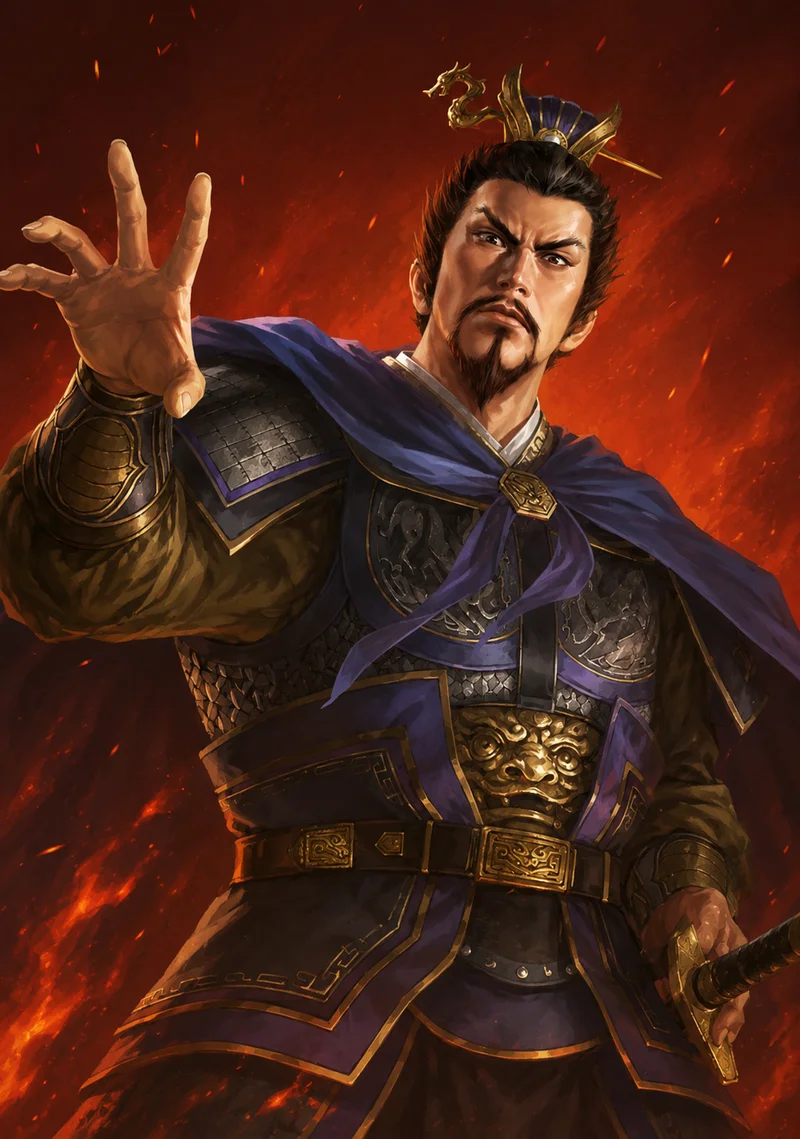
Cao Cao – 曹操 – Tào Tháo
4. Sun Jian (孙坚, Tôn Kiên)
- Courtesy Name / Origin: Style name Wentai (文台). Native of Fuxun, Wu Commandery. Renowned as the “Tiger of Jiangdong” (江东猛虎).
- Lifespan: 155 – 191 AD
- Alliance Role: Vanguard / Governor of Changsha.
- Biography & Ambition:The most fierce and aggressive field commander of the coalition. Sun Jian led his trusted lieutenants Cheng Pu, Huang Gai, Han Dang, and Zu Mao to smash Dong Zhuo’s vice-general Hu Zhen at Sishui Pass. However, after Yuan Shu cut off his grain rations, Sun Jian’s army suffered a heavy night ambush. While clearing the ruins of burnt Luoyang, Sun Jian discovered the Imperial Jade Seal hidden inside a dry well. Driven by imperial ambition, Sun Jian concealed the seal, feigned illness, and withdrew his army south.
- Ultimate Fate:Yuan Shao discovered Sun Jian had claimed the seal and instructed Liu Biao (刘表) to ambush Sun Jian on his way back. In 191 AD, during his campaign against Liu Biao at Mount Xian, Sun Jian was lured into a narrow valley and killed by poisoned arrows and falling boulders at age 36.
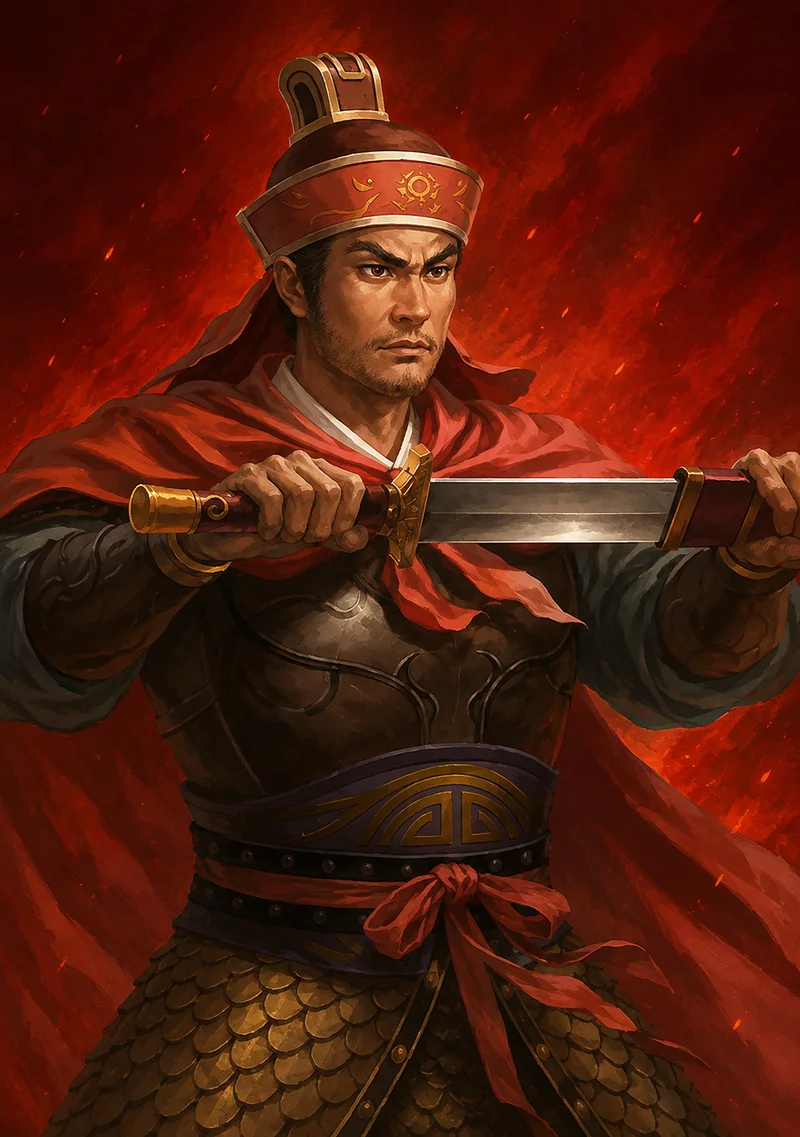
Sun Jian – 文台 – Tôn Kiên
5. Gongsun Zan (公孙瓒, Công Tôn Toản)
- Courtesy Name / Origin: Style name Bogui (伯珪). Native of Lingzhi, Liaoxi.
- Lifespan: ? – 199 AD
- Alliance Role: Governor of Youbeiping (Accompanied by Liu Bei, Guan Yu, and Zhang Fei).
- Biography & Ambition:Commanded the feared northern cavalry unit known as the “White Horse Volunteers.” Gongsun Zan brought along his sworn brothers Liu Bei (刘备), Guan Yu (关羽), and Zhang Fei (张飞) to join the coalition. At Hulao Pass, Gongsun Zan personally dueled Lu Bu (吕布) with his spear, but was outmatched and saved by Zhang Fei’s intervention.
- Ultimate Fate:After the coalition collapsed, Gongsun Zan engaged in a brutal war against Yuan Shao over control of Northern China. In 199 AD, surrounded and facing total defeat at the Battle of Yijing, Gongsun Zan set fire to his citadel, killing his family and himself.
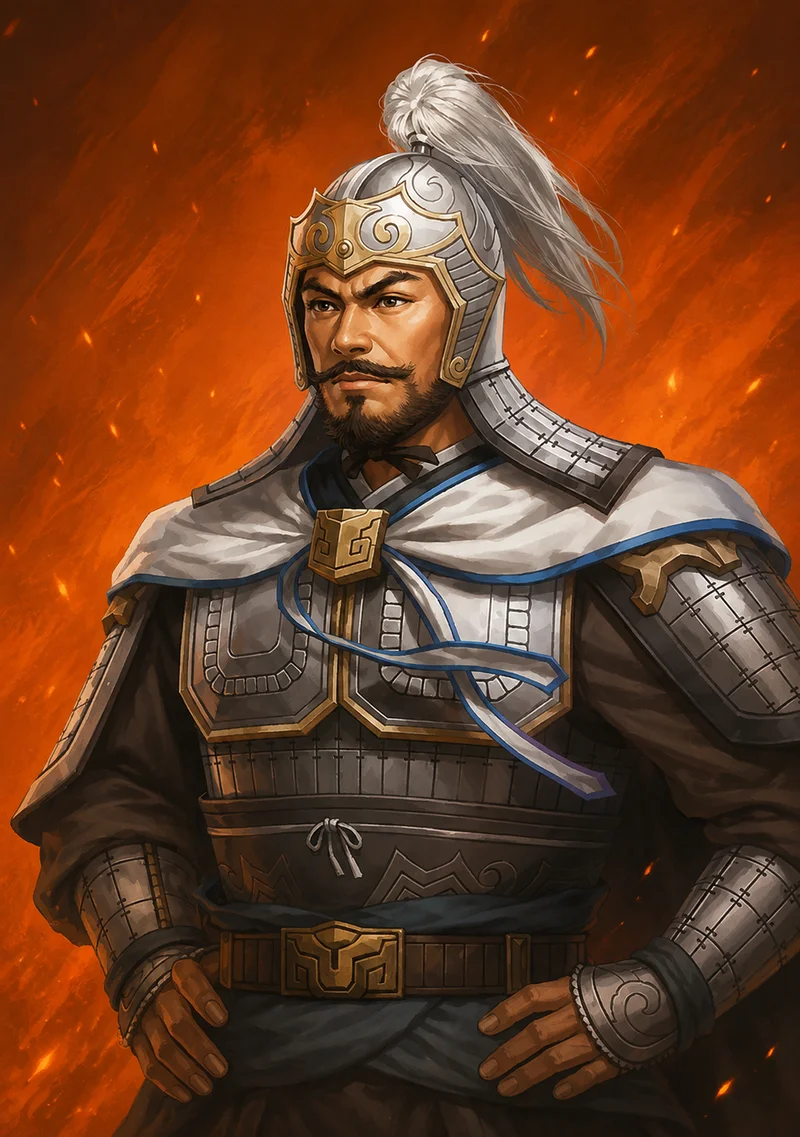
Gonsun Zan – 公孙瓒 – Công Tôn Toản
6. Bao Xin (鲍信, Bảo Tín)
- Courtesy Name / Origin: Native of Pingyang, Taishan.
- Lifespan: 152 – 192 AD
- Alliance Role: Chancellor of Jibei.
- Biography & Ambition:One of the earliest leaders to recognize Dong Zhuo’s tyrannical nature. Driven by a desire to beat Sun Jian to the glory of the vanguard, Bao Xin secretly sent his younger brother Bao Zhong with 3,000 troops to attack Sishui Pass, resulting in Bao Zhong’s instant death at the hands of Hua Xiong. Despite this blunder, Bao Xin was deeply loyal, trusted Cao Cao’s judgment, and actively supported his leadership.
- Ultimate Fate:In 192 AD, when hundreds of thousands of Yellow Turban rebels invaded Yanzhou, Bao Xin and Cao Cao led forces to suppress them. During a desperate battle at Shouzhang, Bao Xin threw himself into the enemy lines to save Cao Cao and was killed in action. His body was never recovered.
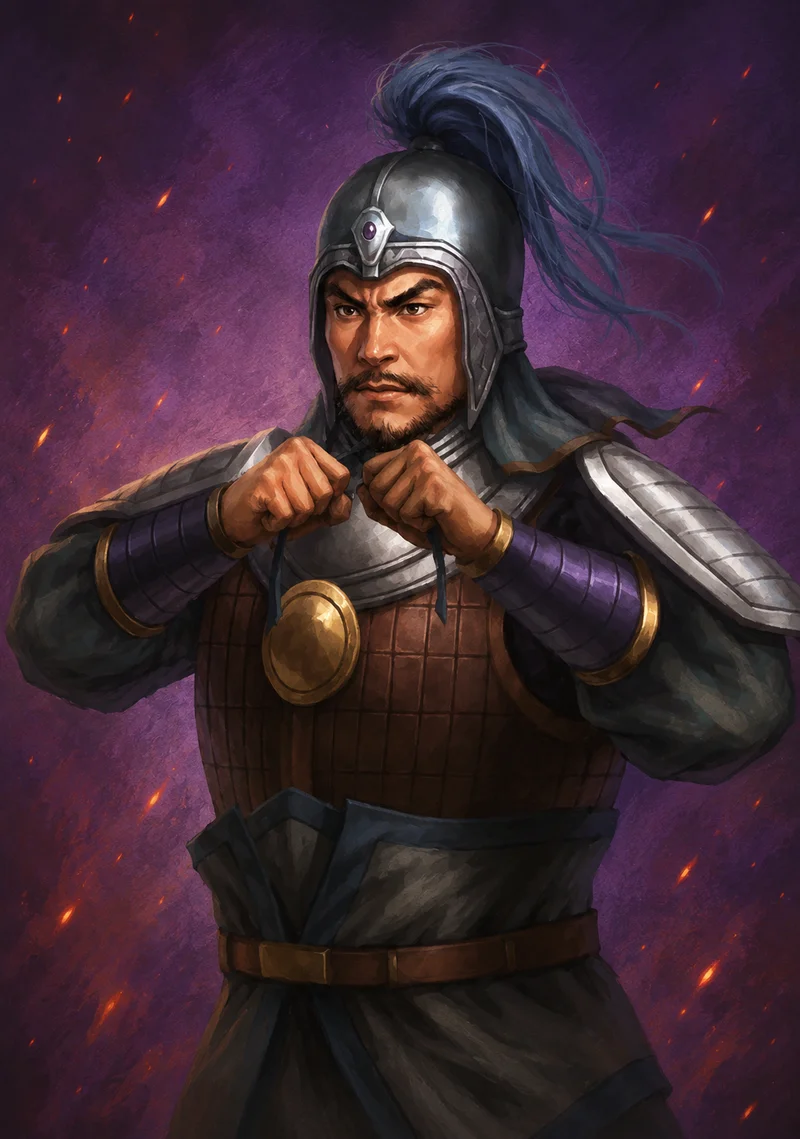
Bao Xin – 鲍信 – Bảo Tín
7. Han Fu (韩馥, Hàn Phức)
- Courtesy Name / Origin: Style name Wenjie (文节). Native of Yinxuan.
- Lifespan: ? – 191 AD
- Alliance Role: Inspector of Jizhou.
- Biography & Ambition:Controlled Jizhou, one of the wealthiest regions of the Han Dynasty, and co-managed the coalition’s grain supplies alongside Yuan Shu. Famous in the novel for his arrogant claim outside the command tent: “I have my supreme general Pan Feng; he can cut down Hua Xiong!”, only for Pan Feng (潘凤) to be decapitated by Hua Xiong moments after stepping onto the battlefield.
- Ultimate Fate:A weak-willed and fearful leader. Following the alliance’s collapse, Yuan Shao intimidated Han Fu into surrendering Jizhou without a fight. Han Fu fled to Chenliu to seek shelter with Zhang Miao, but driven to extreme anxiety over fears that Yuan Shao would assassinate him, Han Fu committed suicide in a latrine using a carving knife in 191 AD.
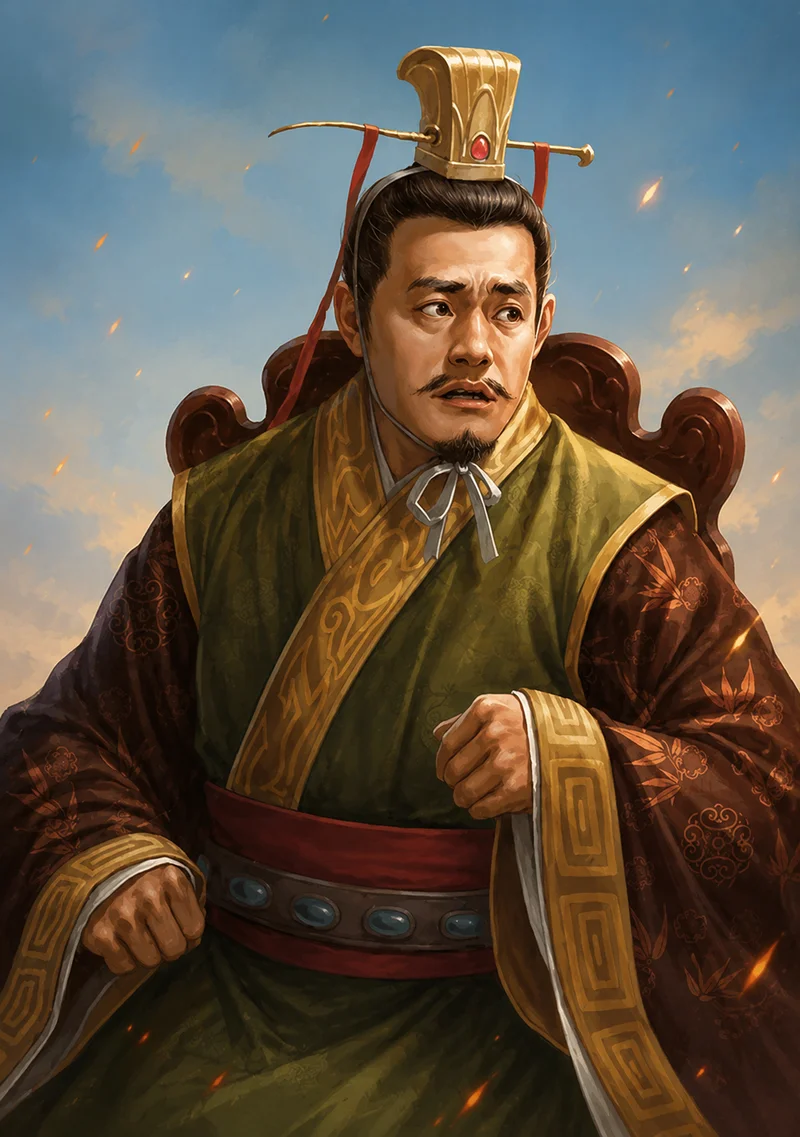
Han Fu – 韩馥 – Hàn Phức
8. Kong Zhou (孔伷, Khổng Trụ)
- Courtesy Name / Origin: Style name Gongxu (公绪). Native of Chenliu.
- Lifespan: ? – c. 190/191 AD
- Alliance Role: Inspector of Yuzhou.
- Biography & Ambition:Renowned as an elegant Confucian scholar and philosopher skilled in high-minded discourse, but entirely lacking in military capability. His participation in the coalition was largely symbolic, lending prestige and troop numbers to the gathering at Suanzao without offering any tactical contributions.
- Ultimate Fate:Died of illness shortly after the coalition dissolved (c. 190–191 AD). His territory of Yuzhou immediately became a chaotic battlefield contested by Yuan Shu, Yuan Shao, and Cao Cao.
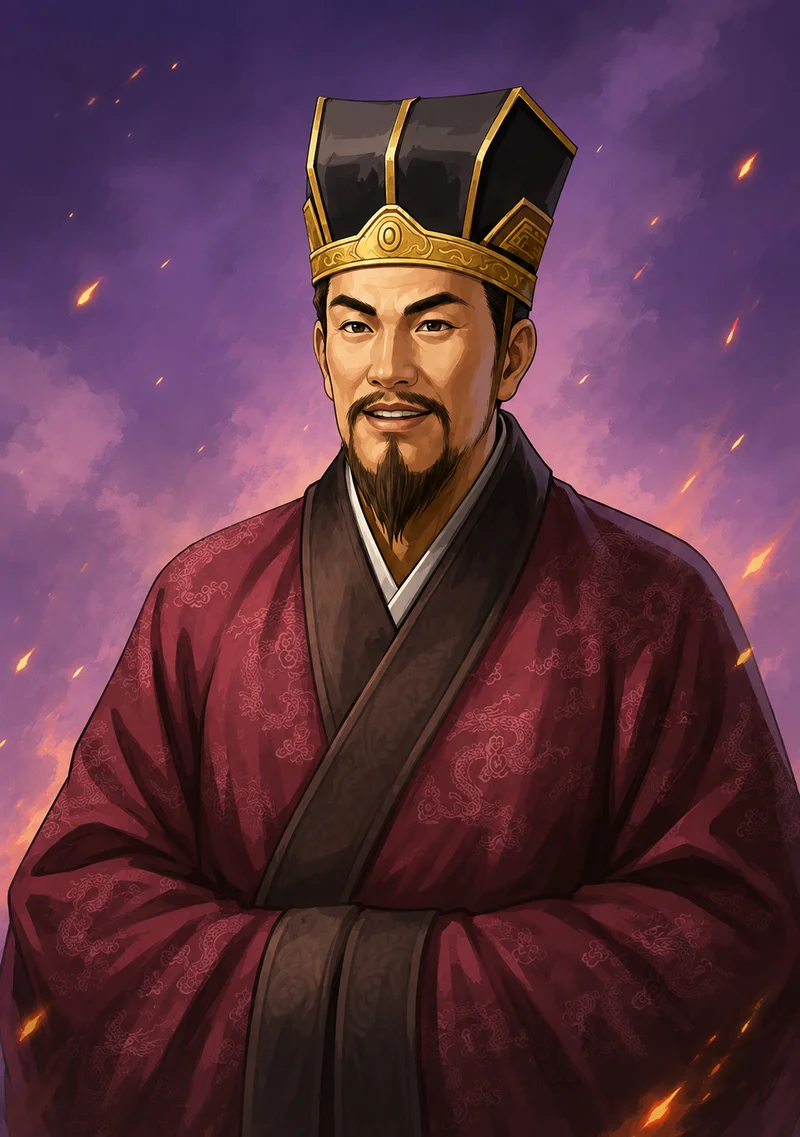
Kong Zhou – 孔伷 – Khổng Trụ
9. Liu Dai (刘岱, Lưu Đới)
- Courtesy Name / Origin: Style name Gongshan (公山). Native of Muping, Donglai. A member of the Han imperial kinsmen.
- Lifespan: ? – 192 AD
- Alliance Role: Inspector of Yanzhou.
- Biography & Ambition:A petty and short-tempered commander. While stationed at Suanzao, Liu Dai ran short of grain rations and requested a loan from fellow coalition member Qiao Mao. When Qiao Mao refused, Liu Dai flew into a rage, launched a night attack, murdered Qiao Mao inside the alliance camp, and annexed Qiao Mao’s troops. This internal murder dealt a crippling blow to the coalition’s cohesion.
- Ultimate Fate:In 192 AD, a massive Yellow Turban army surged into Yanzhou. Ignoring warnings from Bao Xin, Liu Dai recklessly led his troops into battle and was surrounded and slain by the rebels.
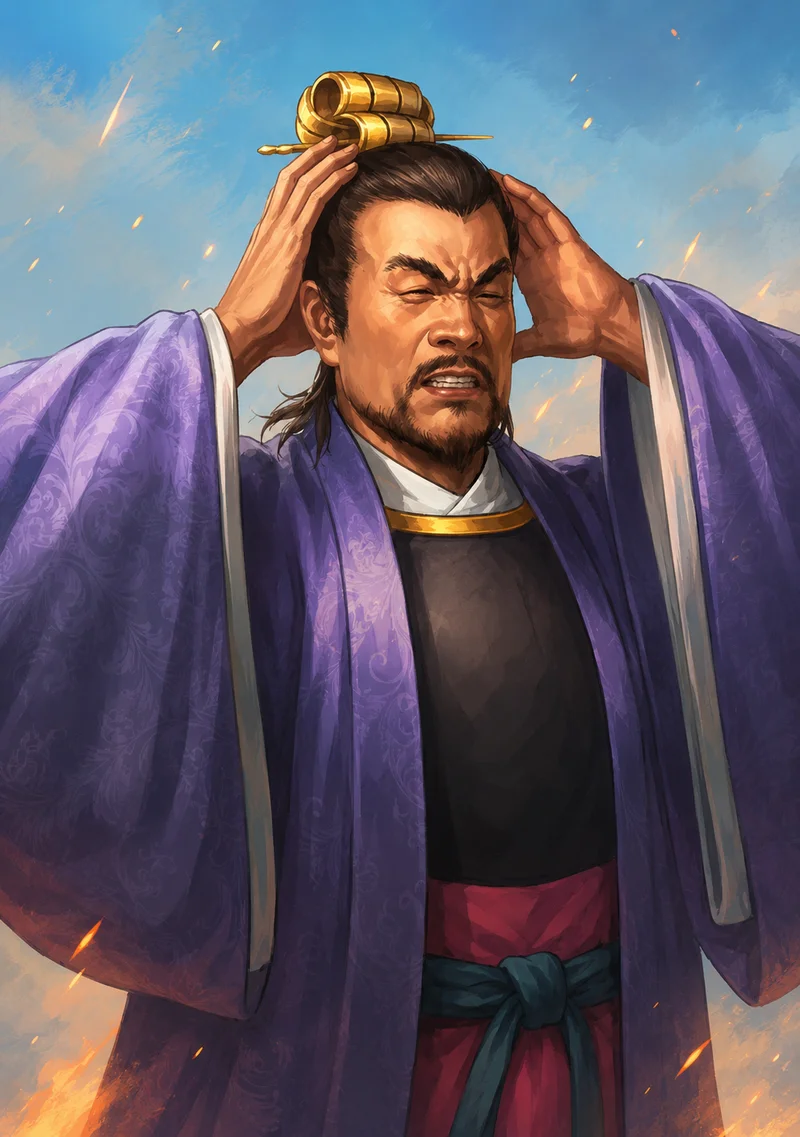
Liu Dai – 刘岱 – Lưu Đại
10. Wang Kuang (王匡, Vương Khuông)
- Courtesy Name / Origin: Style name Gongjie (公节). Native of Taishan.
- Lifespan: ? – c. 190–192 AD
- Alliance Role: Governor of Henei.
- Biography & Ambition:Stationed closest to Luoyang at Henei. At the Battle of Hulao Pass, Wang Kuang confidently sent out his champion general Fang Yue to fight Lu Bu (吕布). Within five bouts, Fang Yue was impaled and thrown from his horse by Lu Bu’s Sky-Piercing Ji. Wang Kuang’s lines collapsed, and he was barely rescued from Lu Bu’s pursuit by the combined forces of Qiao Mao and Zhang Miao.
- Ultimate Fate:After the alliance fractured, Wang Kuang returned to Henei. He was involved in the execution of a relative of Cao Cao (or local scholar figures), prompting Cao Cao to ally with local forces to attack and kill him shortly after the coalition collapsed.
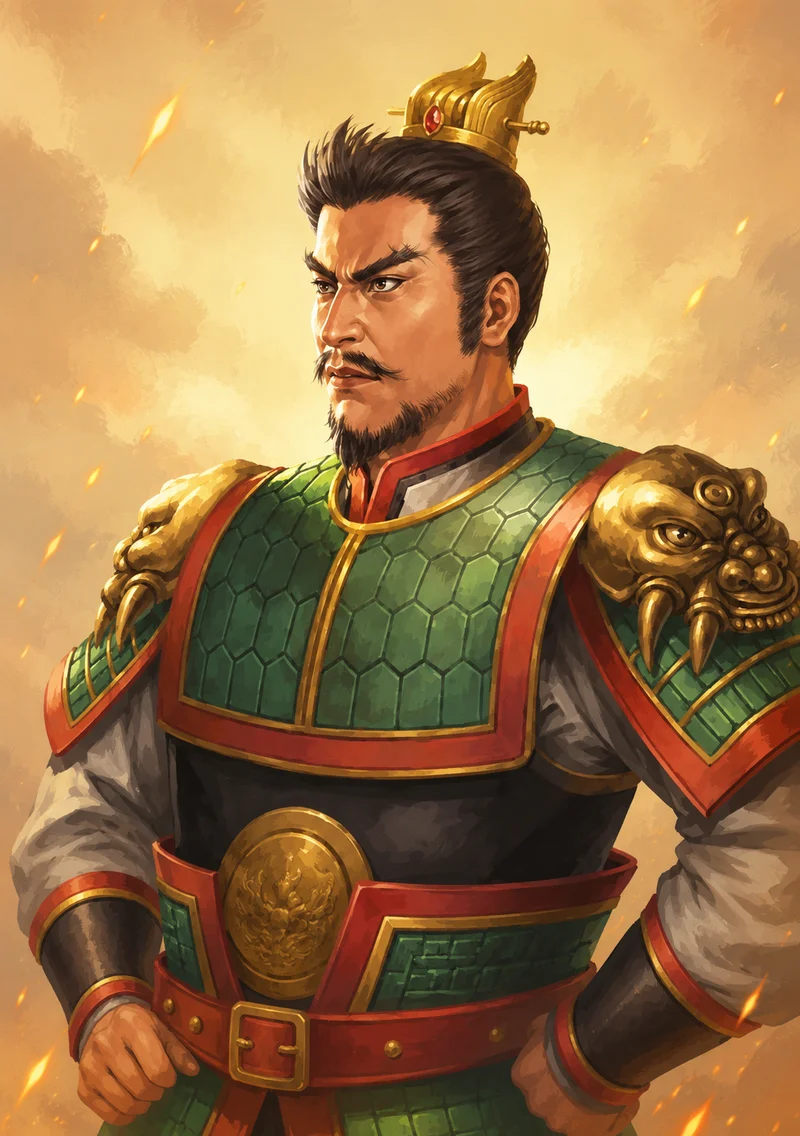
Wang Kuang – 王匡 – Vương Khuông
11. Zhang Miao (张邈, Trương Mạc)
- Courtesy Name / Origin: Style name Mengzhuo (孟卓). Native of Shouxian, Dongping.
- Lifespan: ? – 195 AD
- Alliance Role: Governor of Chenliu.
- Biography & Ambition:A chivalrous noble known for his generosity to scholars and a long-time friend of both Cao Cao and Yuan Shao. During the Suanzao assembly, Zhang Miao openly criticized Yuan Shao for his arrogance and refusal to march on Dong Zhuo, igniting a bitter grudge between Yuan Shao and himself.
- Ultimate Fate:Though initially close to Cao Cao, Zhang Miao feared Cao Cao would eventually turn against him on Yuan Shao’s behalf. In 194 AD, he betrayed Cao Cao and welcomed Lu Bu to seize Yanzhou. After Cao Cao defeated Lu Bu, Zhang Miao fled to seek reinforcements from Yuan Shu but was assassinated by his own subordinates on the road in 195 AD.
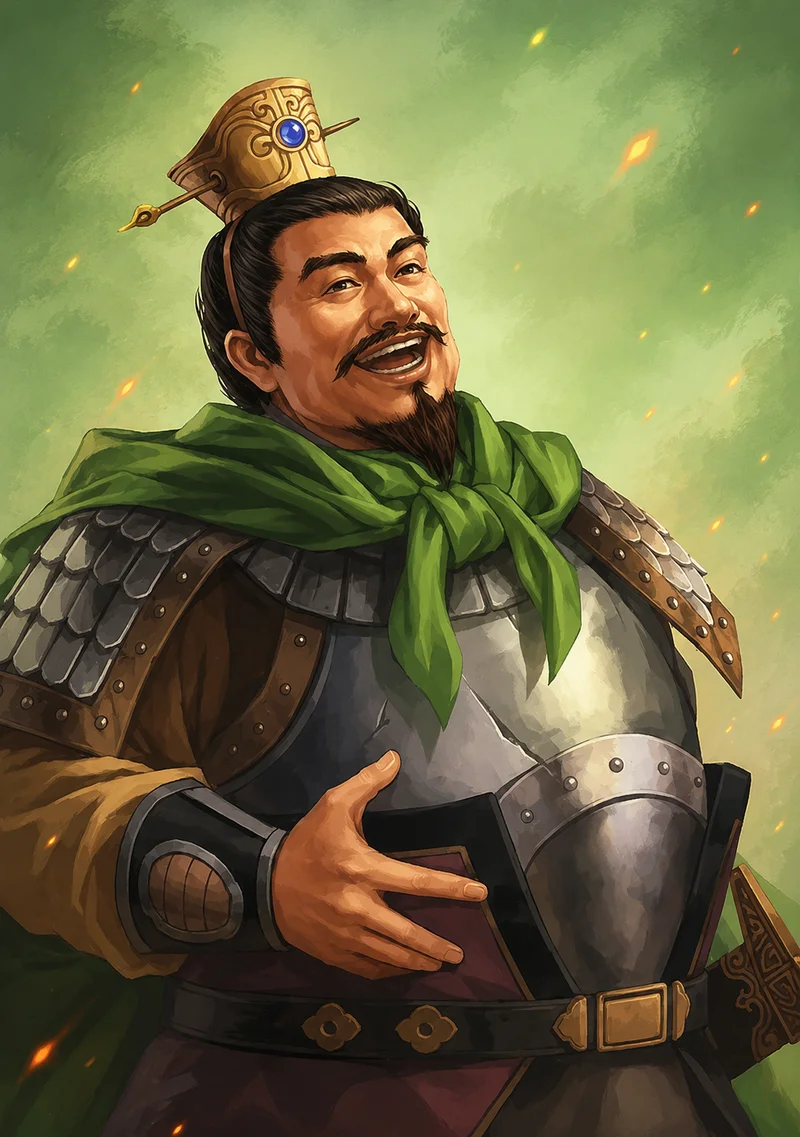
Zhang Miao – 张邈 – Trương Mạc
12. Qiao Mao (桥瑁, Kiều Mạo)
- Courtesy Name / Origin: Style name Yuanwei (元伟). Native of Shucheng, Lujiang.
- Lifespan: ? – 190 AD
- Alliance Role: Governor of Dongjun.
- Biography & Ambition:In both history and the novel, Qiao Mao was the official who forged call-to-arms dispatches in the name of the Three Excellencies (court ministers) and distributed them across China, exposing Dong Zhuo’s crimes and sparking the formation of the Eighteen Warlords Coalition.
- Ultimate Fate:His life ended not on the battlefield against Dong Zhuo, but in betrayal. Due to a bitter dispute over grain supplies at Suanzao, he was surprised and murdered in his camp by ally Liu Dai in 190 AD, who then seized his army.
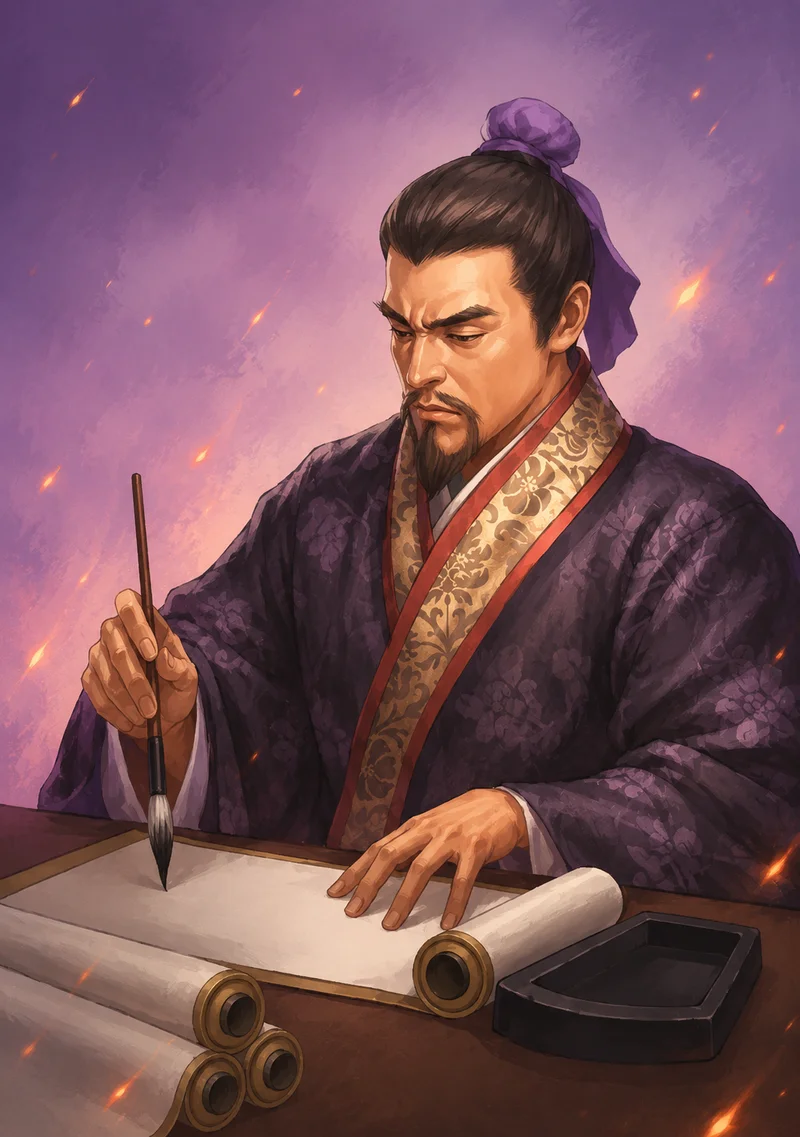
Qiao Mao – 乔瑁 – Kiều Mạo
13. Yuan Yi (袁遗, Viên Di)
- Courtesy Name / Origin: Style name Boye (伯业). Cousin of Yuan Shao and Yuan Shu.
- Lifespan: ? – 192 AD
- Alliance Role: Governor of Shanyang.
- Biography & Ambition:Highly regarded by contemporaries as the most learned, intelligent, and refined member of the Yuan clan. He aligned himself closely with Yuan Shao and Cao Cao during the coalition campaigns, obeying general orders without claiming major personal victories.
- Ultimate Fate:After the coalition broke up, Yuan Shao nominated Yuan Yi as Inspector of Yangzhou. However, his cousin Yuan Shu contested the region and launched an attack, defeating Yuan Yi. While fleeing the battle, Yuan Yi was murdered by his own mutinous soldiers in 192 AD.
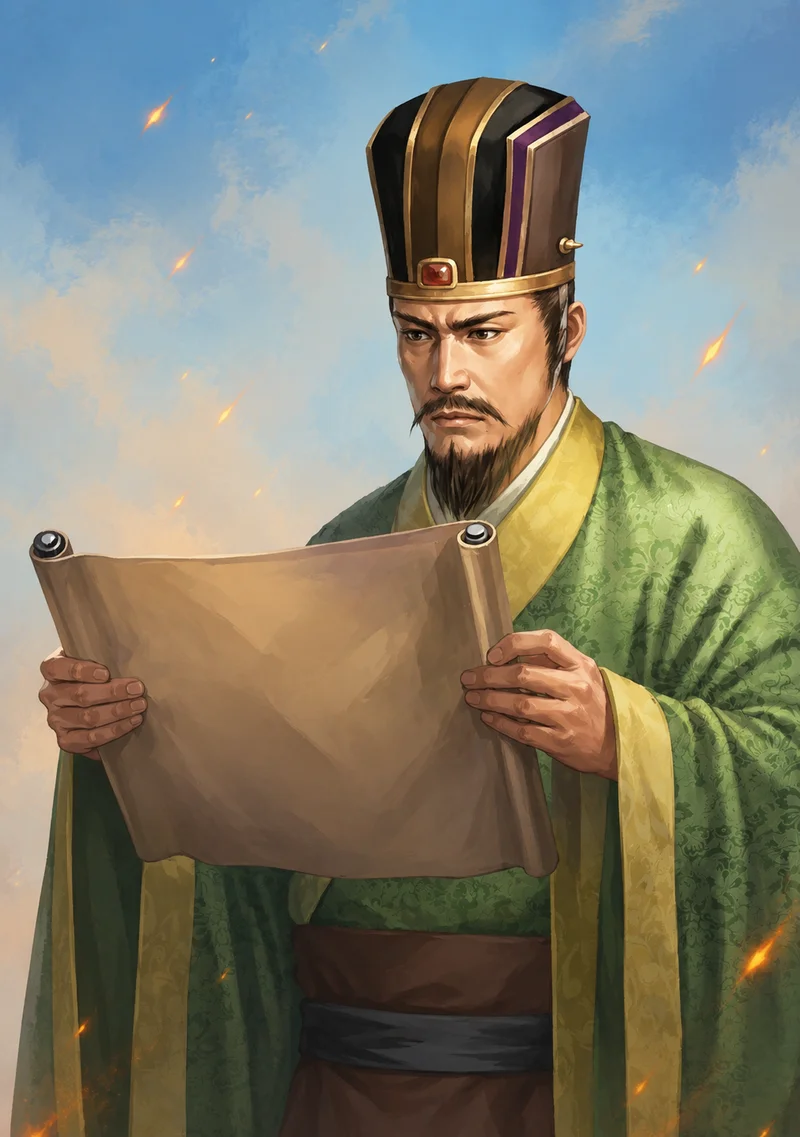
Yuan Yi – 袁遗 – Viên Di
14. Kong Rong (孔融, Khổng Dung)
- Courtesy Name / Origin: Style name Wenju (文举). Native of Qufu, State of Lu. A 20th-generation direct descendant of Confucius.
- Lifespan: 153 – 208 AD
- Alliance Role: Governor of Beihai.
- Biography & Ambition:A prominent scholar famous from childhood (“Kong Rong Yielding Pears”). During the campaign at Hulao Pass, his champion officer Wu Anguo engaged Lu Bu with a mace, but Lu Bu severed Wu Anguo’s wrist, forcing Kong Rong’s forces to fall back.
- Ultimate Fate:Famous for his sharp tongue, lofty morals, and unwavering loyalty to the Han court. He continuously opposed Cao Cao’s autocratic policies and satirical measures. In 208 AD, Cao Cao executed Kong Rong along with his entire family on charges of political factionalism and disrespecting the court.
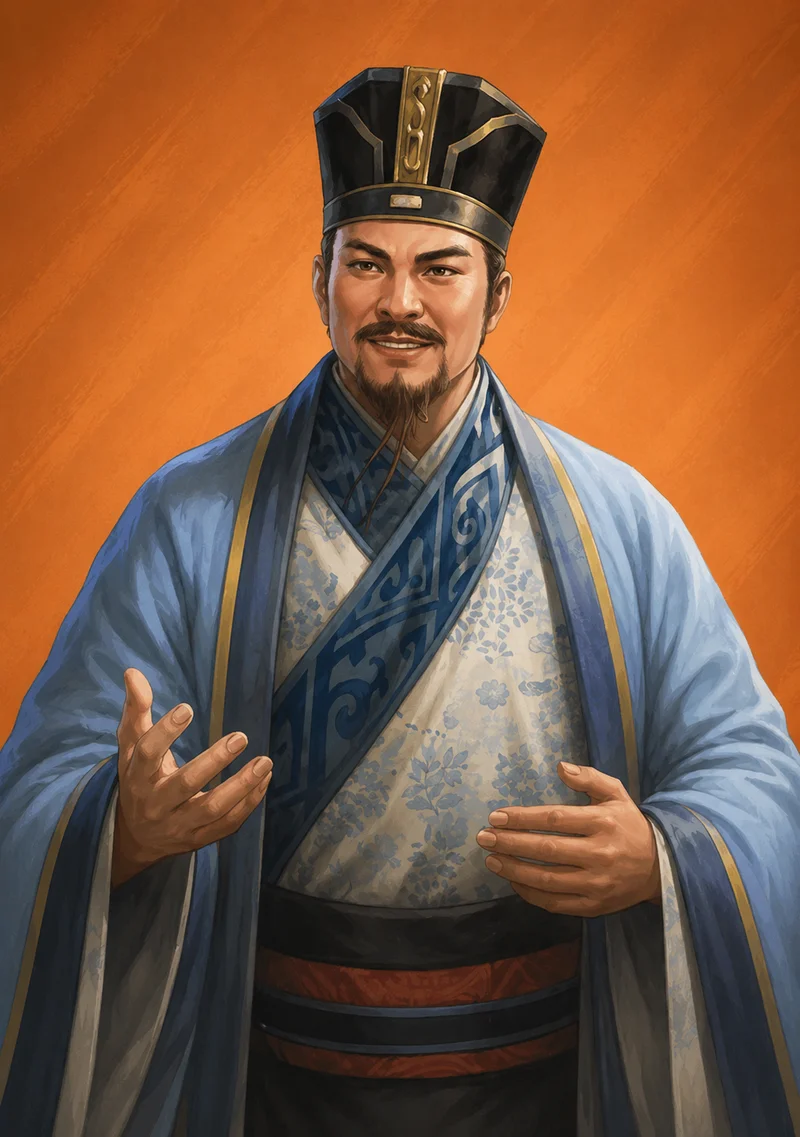
Kong Rong – 孔融 – Khổng Dung
15. Tao Qian (陶谦, Đào Khiêm)
- Courtesy Name / Origin: Style name Gongzu (恭祖). Native of Danyang.
- Lifespan: 132 – 194 AD
- Alliance Role: Inspector of Xizhou.
- Biography & Ambition:A gentle, upright elder commander who joined the coalition to support the restoration of the Han court. Although his forces contributed to the coalition’s momentum, Tao Qian focused primarily on maintaining stability in his regional domain of Xizhou (Xu Province).
- Ultimate Fate:In 193 AD, Tao Qian’s subordinate soldiers murdered Cao Cao’s father, Cao Song, while escorting his family baggage. An enraged Cao Cao launched a brutal invasion of Xizhou. Tao Qian was saved by Liu Bei’s arrival. Deeply impressed by Liu Bei’s virtue, Tao Qian offered Xizhou to Liu Bei three times before dying of illness in 194 AD, yielding his province to Liu Bei.
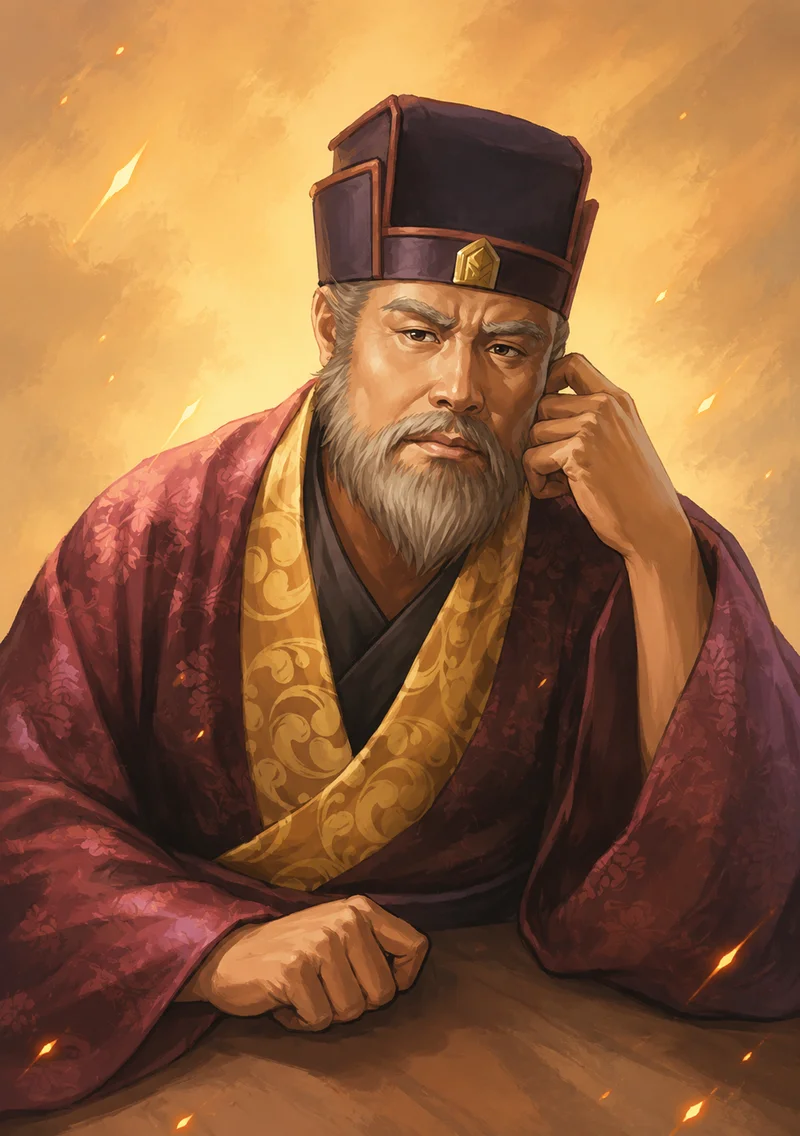
Dao Qian – 陶谦 – Đào Khiêm
16. Zhang Chao (张超, Trương Siêu)
- Courtesy Name / Origin: Native of Shouxian, Dongping. Younger brother of Zhang Miao.
- Lifespan: ? – 195 AD
- Alliance Role: Governor of Guangling.
- Biography & Ambition:Known for his appreciation of literature and talent recruitment (notably appointing the famed scholar Zang Hong). He joined his brother Zhang Miao in heeding the call to arms early, leading his Guangling forces to assemble at Suanzao.
- Ultimate Fate:In 195 AD, after joining his brother and Chen Gong in rebellion against Cao Cao, Zhang Chao was besieged at Yongqiu. After holding out for months, the city fell, and Zhang Chao committed suicide. Cao Cao subsequently executed his entire extended family.
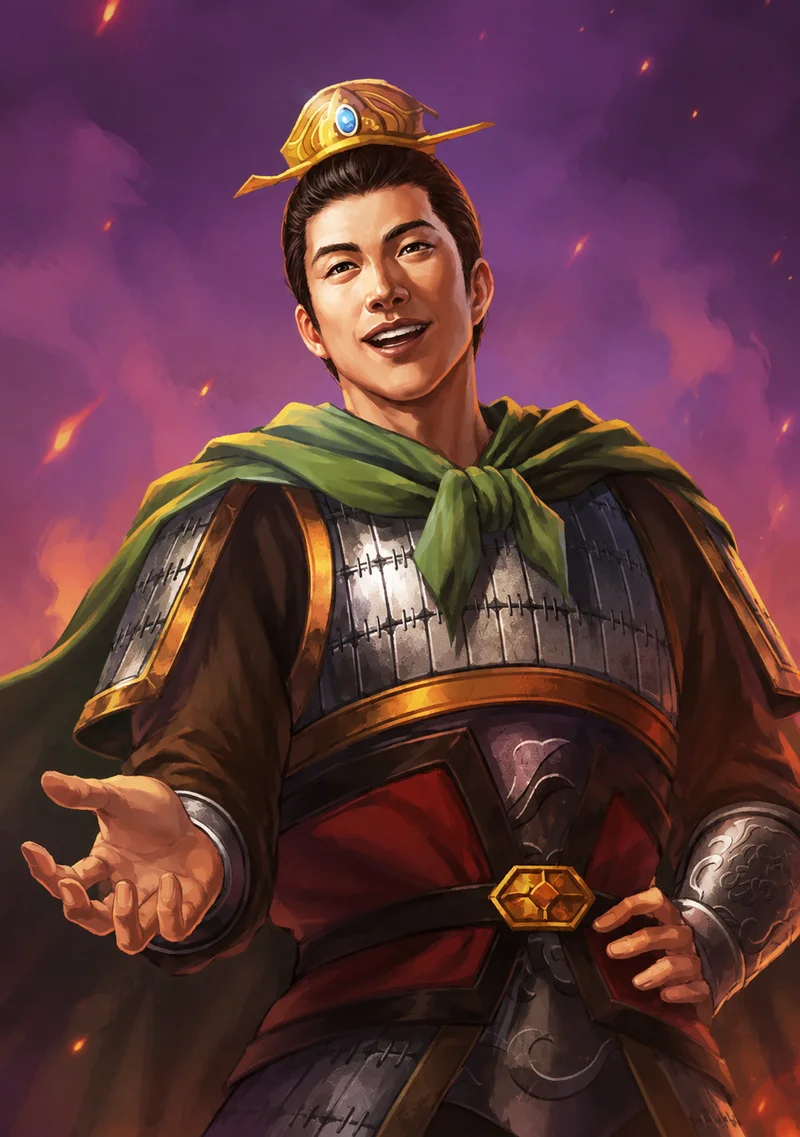
Zhang Chao – 张超 – Trương Siêu
17. Zhang Yang (张杨, Trương Dương)
- Courtesy Name / Origin: Style name Zhishu (稚叔). Native of Taiyuan.
- Lifespan: ? – 198 AD
- Alliance Role: Governor of Shangdang.
- Biography & Ambition:A veteran frontier commander stationed at Henei during the assembly. At Hulao Pass, his general Mu Shun rode out to duel Lu Bu, only to be impaled and killed in a single strike.
- Ultimate Fate:A mild-mannered commander who maintained a close friendship with Lu Bu and later assisted Emperor Xian during his flight from Chang’an. In 198 AD, when Cao Cao besieged Lu Bu at Xiapi, Zhang Yang prepared to march to Lu Bu’s aid, but was assassinated by his subordinate Yang Chou, who sought to surrender to Cao Cao.
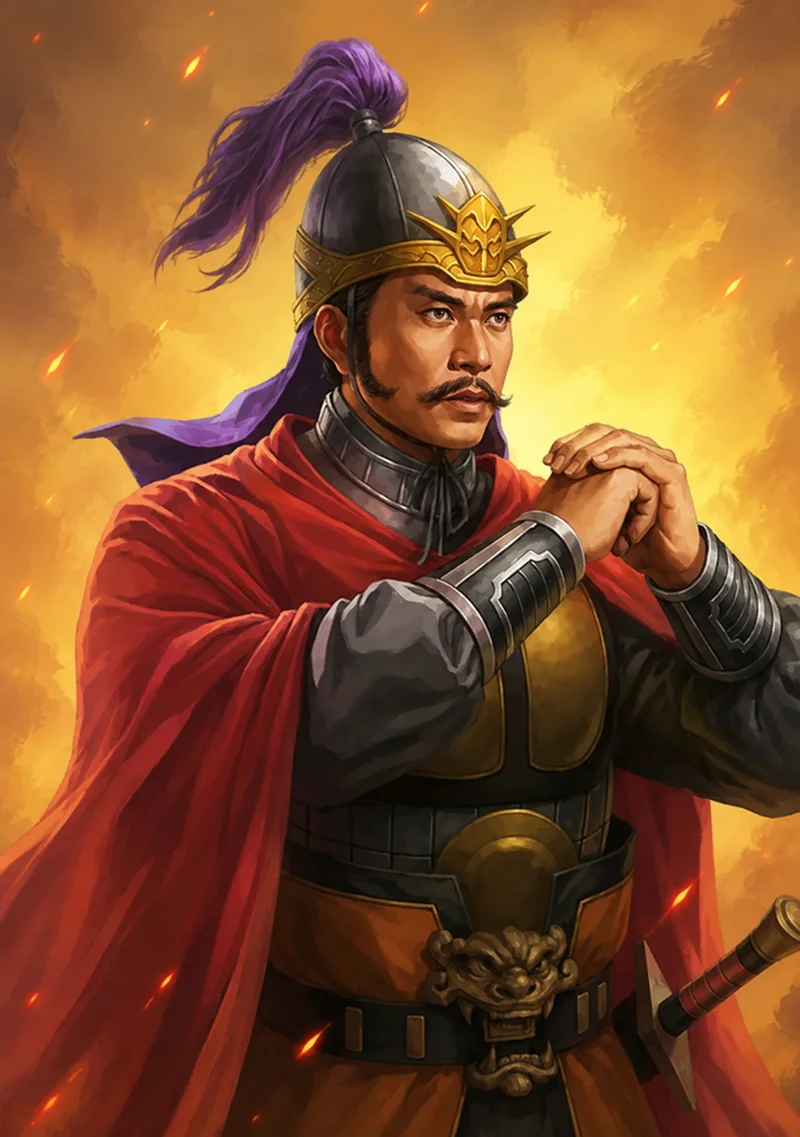
Zhang Yang – 张杨 – Chương Dương
18. Ma Teng (马腾, Mã Đằng)
- Courtesy Name / Origin: Style name Shoucheng (寿成). Native of Maoling, Fufeng. Descendant of the famed Han general Ma Yuan. Father of Ma Chao (马超).
- Lifespan: ? – 212 AD
- Alliance Role: Governor of Xiliang.
- Biography & Ambition:Commanded the fierce cavalry forces of the northwestern frontier. Though sharing Xiliang origins with Dong Zhuo, Ma Teng was enraged by Dong Zhuo’s deposition of the Emperor and led his armies to support the coalition.
- Ultimate Fate:After the alliance dissolved, Ma Teng controlled Xiliang alongside Han Sui. In 208 AD, Cao Cao lured Ma Teng to the imperial capital under the guise of an imperial promotion to keep him restrained. In 212 AD, following Ma Chao’s rebellion against Cao Cao at Tong Pass, an enraged Cao Cao executed Ma Teng alongside his sons Ma Xiu and Ma Tie in Xuchang.
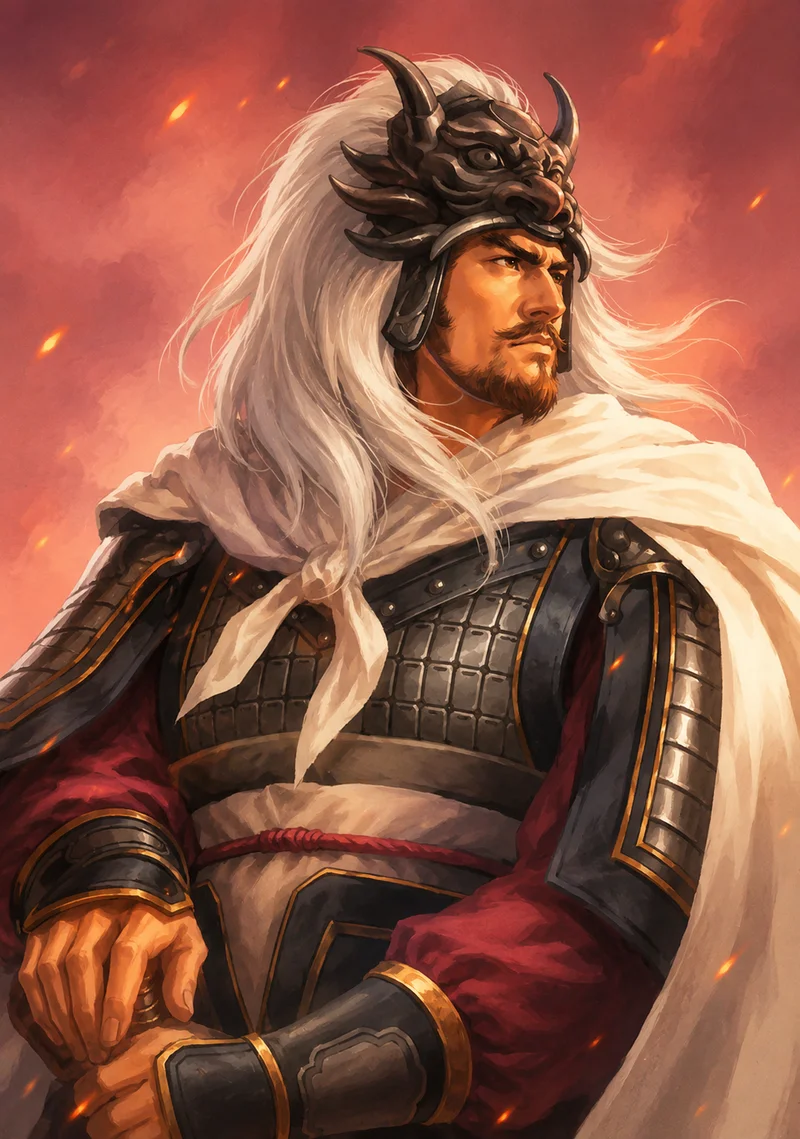
Ma Teng – 马腾 – Mã Đằng
6. Summary Table of the Eighteen Warlords
| No. | Warlord Name | Lifespan | Image | Alliance Title / Domain Role | Final Fate |
|---|---|---|---|---|---|
| 1 | Yuan Shao (袁绍) | c. 154 – 202 AD |
 Yuan Shao – 袁绍 – Viên Thiệu |
Supreme Commander / Governor of Bohai | Defeated at Guandu; died coughing up blood (202 AD). |
| 2 | Yuan Shu (袁术) | ? – 199 AD |
 Yuan Shu – 袁术 – Viên Thuật |
Quartermaster / General of the Rear | Declared himself Emperor; defeated and died vomiting blood (199 AD). |
| 3 | Cao Cao (曹操) | 155 – 220 AD |
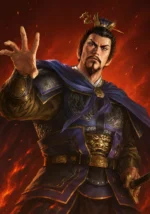 Cao Cao – 曹操 – Tào Tháo |
Coalition Organizer / Cavalry Commander | Unified Northern China; founded Wei foundation; died 220 AD. |
| 4 | Sun Jian (孙坚) | 155 – 191 AD |
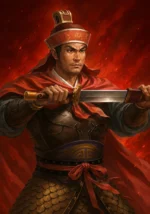 Sun Jian – 文台 – Tôn Kiên |
Vanguard / Governor of Changsha | Claimed the Jade Seal; ambushed and killed by Liu Biao’s forces (191 AD). |
| 5 | Gongsun Zan (公孙瓒) | ? – 199 AD |
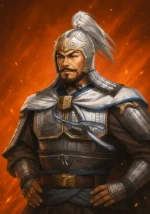 Gonsun Zan – 公孙瓒 – Công Tôn Toản |
Governor of Youbeiping | Defeated by Yuan Shao; committed suicide by fire (199 AD). |
| 6 | Bao Xin (鲍信) | 152 – 192 AD |
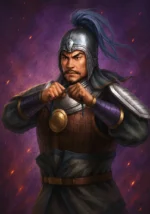 Bao Xin – 鲍信 – Bảo Tín |
Chancellor of Jibei | Died in action protecting Cao Cao from Yellow Turban rebels (192 AD). |
| 7 | Han Fu (韩馥) | ? – 191 AD |
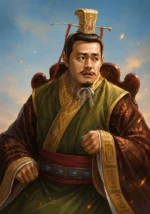 Han Fu – 韩馥 – Hàn Phức |
Inspector of Jizhou | Surrendered Jizhou to Yuan Shao; committed suicide in a latrine (191 AD). |
| 8 | Kong Zhou (孔伷) | ? – c. 190/191 AD |
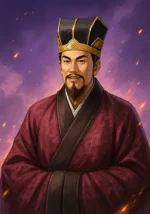 Kong Zhou – 孔伷 – Khổng Trụ |
Inspector of Yuzhou | Died of illness shortly after coalition dissolved (c. 190/191 AD). |
| 9 | Liu Dai (刘岱) | ? – 192 AD |
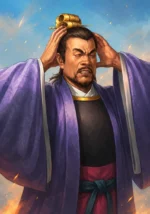 Liu Dai – 刘岱 – Lưu Đại |
Inspector of Yanzhou | Murdered ally Qiao Mao; killed in battle by Yellow Turbans (192 AD). |
| 10 | Wang Kuang (王匡) | ? – c. 190–192 AD |
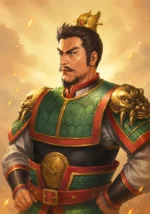 Wang Kuang – 王匡 – Vương Khuông |
Governor of Henei | Forces destroyed by Lu Bu; killed shortly after coalition broke up. |
| 11 | Zhang Miao (张邈) | ? – 195 AD |
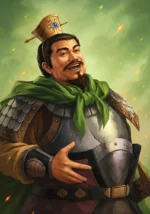 Zhang Miao – 张邈 – Trương Mạc |
Governor of Chenliu | Joined Lu Bu against Cao Cao; murdered by his own troops (195 AD). |
| 12 | Qiao Mao (桥瑁) | ? – 190 AD |
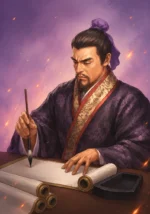 Qiao Mao – 乔瑁 – Kiều Mạo |
Governor of Dongjun | Issued call to arms; murdered in his camp by ally Liu Dai (190 AD). |
| 13 | Yuan Yi (袁遗) | ? – 192 AD |
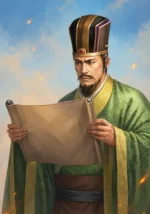 Yuan Yi – 袁遗 – Viên Di |
Governor of Shanyang | Defeated by Yuan Shu; killed by mutinous soldiers (192 AD). |
| 14 | Kong Rong (孔融) | 153 – 208 AD |
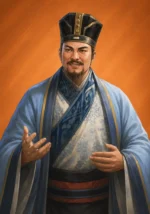 Kong Rong – 孔融 – Khổng Dung |
Governor of Beihai | Executed by Cao Cao in Xuchang along with his family (208 AD). |
| 15 | Tao Qian (陶谦) | 132 – 194 AD |
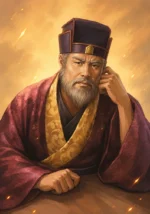 Dao Qian – 陶谦 – Đào Khiêm |
Inspector of Xizhou | Yielded Xizhou to Liu Bei three times before dying of illness (194 AD). |
| 16 | Zhang Chao (张超) | ? – 195 AD |
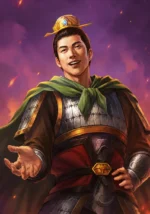 Zhang Chao – 张超 – Trương Siêu |
Governor of Guangling | Besieged at Yongqiu; committed suicide after city fell (195 AD). |
| 17 | Zhang Yang (张杨) | ? – 198 AD |
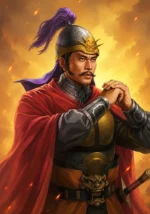 Zhang Yang – 张杨 – Chương Dương |
Governor of Shangdang | Attempted to aid Lu Bu at Xiapi; assassinated by subordinate (198 AD). |
| 18 | Ma Teng (马腾) | ? – 212 AD |
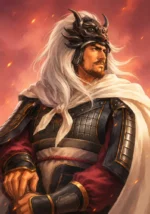 Ma Teng – 马腾 – Mã Đằng |
Governor of Xiliang | Executed by Cao Cao in Xuchang following Ma Chao’s revolt (212 AD). |
3. Major Military Campaigns and Key Battles
The campaign against Dong Zhuo’s forces unfolded across two fortified gateway passes defending the capital of Luoyang: Sishui Pass (汜水关, Ải Tự Thủy) and Hulao Pass (虎牢关, Ải Hổ Lao).
1. The Battle of Sishui Pass: Cleaving Hua Xiong
- Sun Jian’s Initial Assault: Sun Jian (孙坚, Tôn Kiên) led the vanguard against Sishui Pass. His general Cheng Pu (程普, Trình Phổ) ran through Dong Zhuo’s vice-general Hu Zhen (胡轸, Hồ Chuẩn) in the first exchange.
- Internal Treachery: Jealous of Sun Jian’s martial success, Quartermaster Yuan Shu (袁术, Viên Thuật) maliciously withheld grain rations. Starving and disorganized, Sun Jian’s camp was night-raided by Dong Zhuo’s commander Hua Xiong (华雄, Hóa Hùng). Sun Jian’s loyal officer Zu Mao (祖茂, Tổ Mậu) wore Sun Jian’s red felt turban as a decoy and was killed by Hua Xiong.
- Hua Xiong’s Rampage: Hua Xiong rode up to the alliance camp, slaying Bao Zhong (鲍忠, Bào Trung), Yu She (俞涉, Du Thiệp), and Pan Feng (潘凤, Phan Phụng) in rapid succession.
- Guan Yu Over Warm Wine: When the warlords panicked, an obscure horse archer named Guan Yu (关羽, Quan Vũ)—serving under Gongsun Zan (公孙瓒, Công Tôn Toản) alongside Liu Bei (刘备, Lưu Bị) and Zhang Fei (张飞, Trương Phi)—stepped forward. Supported by Cao Cao (曹操, Tào Tháo), Guan Yu rode out and decapitated Hua Xiong in a flash, returning to the command tent before his offered cup of wine had even grown cold (“Warm Wine Slaying Hua Xiong”).
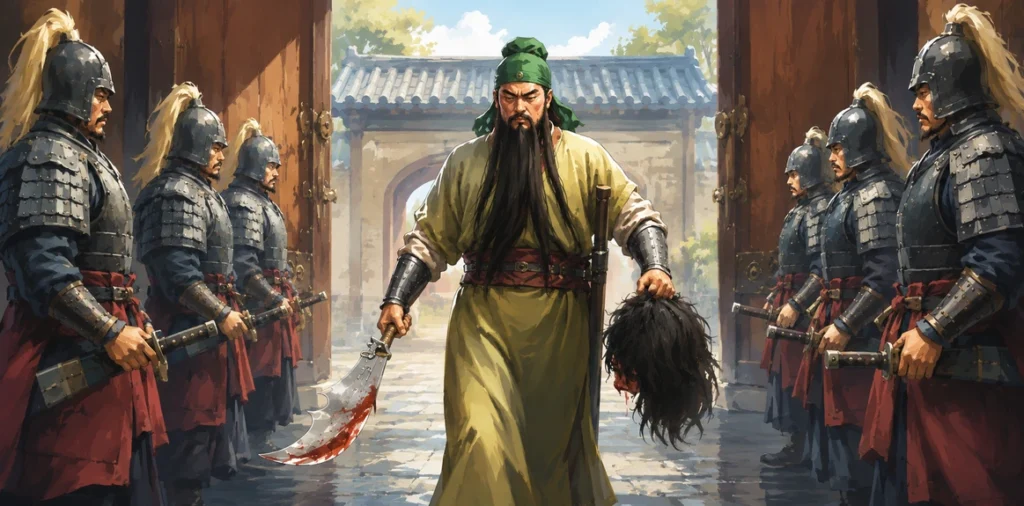
温酒斩华雄, Wēn Jiǔ Zhǎn Huá Xióng, Ôn Tửu Trảm Hoa Hùng
2. The Battle of Hulao Pass: Three Heroes Battle Lu Bu
Following Hua Xiong’s demise, Dong Zhuo personally led 150,000 troops to Hulao Pass, bringing his invincible adoptive son, Lu Bu (吕布, Lữ Bố).
- Lu Bu’s Rampage: Mounted on Red Hare (赤兔马, Ngựa Xích Thố), Lu Bu cut down coalition generals Mu Shun (穆顺, Mộc Thuận) and Fang Yue (方悦, Phương Duyệt), while severely wounding Wu Anguo (武安国, Võ An Quốc).
- The Duel of the Era: Zhang Fei (张飞, Trương Phi) charged out with his Eight-Foot Serpent Spear (丈八蛇矛, Trượng Bát Xà Mâu), fighting Lu Bu for 50 bouts without a victor. Guan Yu joined with his Green Dragon Crescent Blade (青龙偃月刀, Thanh Long Yển Nguyệt Đao) for another 30 bouts. Finally, Liu Bei (刘备, Lưu Bị) drew his Dual Swords (双股剑, Song Cổ Kiếm) to complete the assault (“Three Heroes Battle Lu Bu” / 三英战吕布). Overwhelmed, Lu Bu feinted a strike and fled into Hulao Pass.
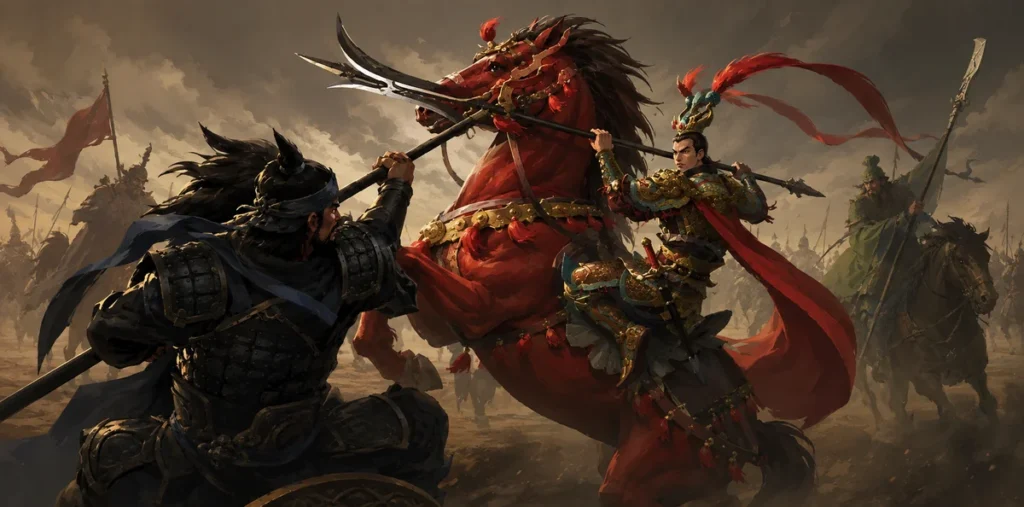
Three Heroes Battle Lu Bu at Hulao Pass – Tam Anh Chiến Lữ Bố
4. The Collapse of the Coalition: Fire and Greed
Despite breaking through Hulao Pass, the coalition failed to restore the Han court due to internal corruption and conflicting ambitions:
- The Burning of Luoyang: Terrified by the alliance’s momentum, Dong Zhuo forced Emperor Xian and the population to evacuate to Chang’an (长安, Trường An). Before leaving, Dong Zhuo looted the imperial tombs and burned Luoyang to ashes.
- Refusal to Pursue: Cao Cao urged Supreme Commander Yuan Shao to pursue Dong Zhuo’s retreating army. When Yuan Shao and the other warlords refused out of fear and fatigue, Cao Cao pursued alone, suffered a devastating ambush at Yingyang by Dong Zhuo’s general Xu Rong (徐荣, Từ Vinh), and barely escaped with his life.
- The Imperial Jade Seal (Yù Xǐ): While clearing the ruins of Luoyang, Sun Jian discovered the sacred Imperial Jade Seal (传国玉玺, Truyền Quốc Ngọc Tỷ) hidden inside a dry well at the palace ruins. Instead of surrendering it to the coalition, Sun Jian feigned illness and departed for Jiangdong.
- Outbreak of Civil War: Yuan Shao discovered Sun Jian’s secret and instructed Liu Biao (刘表, Lưu Biểu) to ambush Sun Jian on his way south. Meanwhile, Yuan Shao seized Jizhou from fellow coalition member Han Fu (韩馥, Hàn Phức).
By 191 AD, the coalition had completely dissolved. The 18 warlords turned their weapons against one another, formally initiating the era of rival warlords that led to the Three Kingdoms period.
5. Summary of Key Event Figures
| Character | Chinese & Vietnamese Names | Primary Role / Faction | Key Outcome in Event |
|---|---|---|---|
| Yuan Shao | 袁绍 (Viên Thiệu) | Supreme Commander (Minh Chủ) | Indecisive; refused to pursue Dong Zhuo; seized Jizhou after alliance broke. |
| Cao Cao | 曹操 (Tào Tháo) | Coalition Architect | Issued false edict; supported Guan Yu; only warlord to pursue Dong Zhuo. |
| Sun Jian | 孙坚 (Tôn Kiên) | Vanguard (“Tiger of Jiangdong”) | Defeated by Hua Xiong due to lack of grain; discovered the Imperial Jade Seal. |
| Guan Yu | 关羽 (Quan Vũ) | Liu Bei / Gongsun Zan | Decapitated Hua Xiong in seconds before his cup of wine cooled. |
| Lu Bu | 吕布 (Lữ Bố) | Dong Zhuo’s General | Terrified coalition armies; fought Liu Bei, Guan Yu, and Zhang Fei at Hulao Pass. |
| Dong Zhuo | 董卓 (Đổng Trác) | Primary Antagonist | Burned Luoyang; forcibly relocated Emperor Xian and capital to Chang’an. |
6. Historical Reality vs. Literary Fiction
- Number of Warlords: In Chen Shou’s historical Records of the Three Kingdoms (三国志), the historical coalition consisted of around 10 to 11 regional leaders centered around Toan Tảo, Bohai, and Nanyang. Luo Guanzhong expanded the number to 18 warlords in the novel to create a more grand, epic narrative scope.
- Liu Bei’s Role: Historically, Liu Bei, Guan Yu, and Zhang Fei played a minor role during the initial campaign against Dong Zhuo. The novel elevated their presence through the iconic episodes “Warm Wine Slaying Hua Xiong” and “Three Heroes Battle Lu Bu.”
- Sun Jian’s True Achievement: In actual history, it was Sun Jian who achieved the greatest victories against Dong Zhuo, personally defeating Dong Zhuo’s forces at Yangren and decapitating Hua Xiong in battle before entering and securing Luoyang.
Key Relationships
Family
- No information
Friends
- Yuan Shao (袁绍, Viên Thiệu): Chosen Supreme Commander (Alliance Leader) of the Eighteen Warlords Coalition at the sacred altar of Suanzao in 190 AD.
- Cao Cao (Cao Cao, Tào Tháo): Founding instigator who issued the forged Imperial Call to Arms (Jiaozhao) summoning the princes.
- Sun Jian (孙坚, Tôn Kiên): “Tiger of Jiangdong”; Vanguard Commander of the Coalition who fought on the frontlines and was the first to enter the burned ruins of Luoyang.
- Liu Bei (刘备, Lưu Bị): Accompanied Gongsun Zan with Guan Yu and Zhang Fei to participate in the coalition battles.
- Guan Yu (关羽, Quan Vũ): Coalition hero who slayed Hua Xiong over warm wine at Sishui Pass.
- Bao Xin (鲍信, Bào Tín): Staunch ally of Cao Cao and Administrator of Jibei.
- Tao Qian (陶谦, Đào Khiêm): Governor of Xu Province participating in the coalition.
- Kong Rong (孔融, Khổng Dung): Governor of Beihai participating in the coalition.
- Gongsun Zan (公孙瓒, Công Tôn Toản): Governor of Youzhou participating in the coalition.
- Han Fu (韩馥, Hàn Phức): Governor of Jizhou providing grain and logistics.
- Wang Kuang (王匡, Vương Khuông): Administrator of Henei.
- Yuan Yi (袁遗, Viên Di): Administrator of Shanyang.
- Qiao Mao (桥瑁, Kiều Mạo): Administrator of Dong Commandery.
- Yuan Shu (袁术, Viên Thuật): Logistics supervisor of the coalition.
- Zhang Miao (张邈, Trương Mạc): Administrator of Chenliu.
- Liu Dai (刘岱, Lưu Đại): Governor of Yan Province.
- Zhang Yang (张杨, Trương Dương): Allied commander of Shangdang.
- Zhang Chao (张超, Trương Siêu): Administrator of Guangling.
Enemies
- Dong Zhuo (董卓, Đổng Trác): Tyrant prime minister who deposed Emperor Shao, burned the 400-year capital Luoyang to ashes, and forcibly relocated the court to Chang’an in 190 AD.
- Lü Bu (吕布, Lữ Bố): “God of War” defending Hulao Pass against the coalition princes.
- Hua Xiong (华雄, Hoa Hùng): Vanguard commander defending Sishui Pass.
- Li Ru (李儒, Lý Nho): Chief advisor orchestrating the burning of Luoyang and defense of the mountain passes.
Others
- No information
5 comments
[…] Anti-Dong Zhuo Coalition […]
[…] Anti-Dong Zhuo Coalition […]
[…] Anti-Dong Zhuo Coalition […]
[…] Anti-Dong Zhuo Coalition […]
[…] The Eighteen Warlords Coalition Against Dong Zhuo […]